Ravenspeaker: Building a Man Through Indigenous Wisdom, Responsibility, and Resilience
Written by daybreak on November 26, 2026
Interview conducted by Jermaine Jackson, Producer at Daybreak Star Radio
What does it truly mean to become a man? How do we overcome the hardships of our past, break cycles of generational trauma, and build a life filled with meaning and purpose?
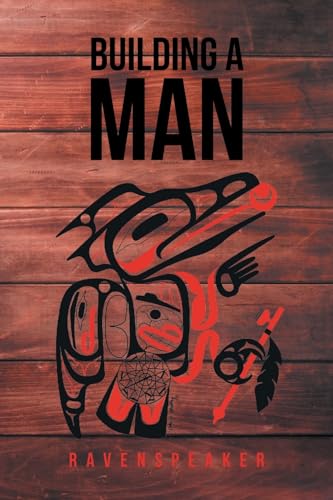
These are some of the powerful questions explored in Building a Man, a deeply personal book by Indigenous author, traditional storyteller, speaker, and Native community leader Ravenspeaker.
In an interview with Daybreak Star Radio Producer Jermaine Jackson, Ravenspeaker shared his journey of growing up fatherless, discovering his self-worth, embracing responsibility, and drawing upon traditional Indigenous wisdom to navigate life’s challenges. His message offers valuable lessons for anyone seeking personal growth, healing, and a stronger sense of identity.
Four Decades of Indigenous Storytelling
An Alaskan Tsimshian and member of the Raven Clan, Ravenspeaker has been practicing traditional storytelling for approximately 40 years. Through his work, he demonstrates how personal experiences and cultural teachings can help guide future generations.
The inspiration behind Building a Man came from a conversation with his son, who was navigating a difficult period in his young adulthood. Rather than simply offering advice, Ravenspeaker shared a story about a similar experience from his own life.
After listening quietly, his son looked up and told him, “That helped a lot.”
That moment inspired Ravenspeaker to reflect on the defining experiences throughout his life and how those stories could benefit others.
He eventually rewrote the book 50 times, carefully refining its message and ensuring that its lessons came through authentic storytelling rather than instruction or judgment.
“It’s nobody preaching, nobody telling you, this is what you ought to think,” Ravenspeaker explained.
Instead, readers are invited to learn through his experiences and draw their own conclusions.
Growing Up Fatherless and Searching for Identity
One of the central themes of Building a Man is Ravenspeaker’s experience growing up without a father and struggling to understand what manhood meant.
As a young person during the 1970s and 1980s, he remembers searching libraries for books that could provide guidance, only to discover how difficult those answers were to find.
Without consistent direction, he looked toward positive male role models, including his Uncle Glenn and his adoptive uncle, David Boxley, who also created the artwork for the book’s cover.
These individuals helped him understand the importance of mentorship and the lasting impact adults can have on young people.
Ravenspeaker also recalled two significant experiences during his senior year of high school that changed his perspective. Through the kindness and integrity demonstrated by two young women, he began recognizing his own worth and the importance of becoming a better person.
“Self-respect is vital,” he emphasized.
Those realizations became the foundation for a gradual transformation that would shape the man he is today.
Taking Responsibility and Reclaiming Your Power
Throughout the conversation, Ravenspeaker emphasized personal responsibility as one of the most important aspects of adulthood.
For him, responsibility means honestly examining our decisions, acknowledging our mistakes, and recognizing what we can do differently moving forward.
He also distinguished responsibility from guilt. Rather than continuously punishing ourselves for past mistakes, we can learn from our experiences and make better decisions.
During the interview, Jackson highlighted how accepting responsibility can help individuals reclaim their personal power. While we cannot always control the actions of others or the circumstances we encounter, we can take ownership of how we respond.
Ravenspeaker connected this philosophy to traditional Indigenous teachings surrounding honor, shame, accountability, and community.
He explained that recognizing wrongdoing should motivate people to correct their behavior rather than remain trapped in shame.
Indigenous Manhood, Tradition, and Purpose
Drawing upon his understanding of traditional values, Ravenspeaker described three central responsibilities of manhood: protecting, providing, and getting important things done.
He believes that becoming dependable and contributing to the well-being of others can help young men develop a stronger sense of identity and purpose.
The conversation also explored traditional Indigenous rites of passage.
Jackson shared his experience of harvesting his first moose in Alaska and distributing much of the meat to relatives. His uncle acknowledged the accomplishment as an important milestone in becoming a provider within Yup’ik culture.
For both men, the experience illustrated how cultural traditions can reinforce responsibility, generosity, and belonging.
Ravenspeaker also emphasized that personal ambition is valuable, but lasting fulfillment can come from having people and responsibilities beyond ourselves to care about.
Breaking Cycles of Generational Trauma
For individuals raised in environments where destructive behaviors have become normalized, creating a different future can be particularly challenging.
Ravenspeaker acknowledged this difficulty through a phrase he frequently shared with his children:
“Simple doesn’t mean easy.”
Recognizing what needs to change may be straightforward, but confronting unhealthy habits, overcoming pride, and consistently making different choices requires courage and humility.
He encouraged people to remain open to learning from their mistakes, seeking guidance, and drawing upon the knowledge passed down through generations.
Rather than believing we must figure everything out alone, Ravenspeaker reminded listeners that our ancestors accumulated valuable wisdom through their own experiences.
The conversation also highlighted the healing power of humor. Ravenspeaker shared how laughter has helped him release difficult emotions connected to painful memories, demonstrating how humor can become a meaningful part of personal healing.
Finding Fulfillment Beyond Material Possessions
Another important lesson from Building a Man is the distinction between satisfying temporary desires and accomplishing something meaningful.
Ravenspeaker explained that material possessions often provide short-lived satisfaction, while fulfilling responsibilities and helping others can create a deeper sense of peace.
“Happiness isn’t in stuff. It’s in accomplishment,” he said.
He recalled meeting a young woman at an art market at Daybreak Star who was facing significant personal challenges. Recognizing that his book might offer encouragement, he signed a copy and gave it to her.
The experience reminded him how meaningful it can be to make another person feel heard, valued, and supported.
A Message for the Next Generation
Although Building a Man explores manhood, Ravenspeaker believes its lessons extend far beyond gender.
He hopes the book reaches anyone who has experienced parental absence, destructive family relationships, uncertainty about their identity, or difficulty finding direction in life.
Through traditional storytelling, vulnerability, humor, and personal reflection, Ravenspeaker reminds readers that their past does not have to determine their future.
His story is a testament to the power of self-respect, accountability, cultural wisdom, and the willingness to grow.
At Daybreak Star Radio, we are honored to share Indigenous voices like Ravenspeaker’s and continue creating space for meaningful conversations surrounding identity, healing, culture, and community.
Discover Ravenspeaker’s book, Building a Man, and explore his personal journey toward responsibility, resilience, and self-determination.
Visit DaybreakStarRadio.com for more inspiring Indigenous interviews, cultural conversations, music, and stories from across Turtle Island.
Daybreak Star Radio — The Only Station Indigenizing the Airwaves.

Continue reading