Seneca Curo: Culture, Competition, and Community at UCLA | The Winner’s Edge
Written by daybreak on January 14, 2026
Athlete Spotlight: Seneca Curo
Interview conducted by Daybreak Star Radio Sports Producer, Jermaine Jackson
At Daybreak Star Radio, we’re committed to indigenizing the airwaves by sharing stories that reflect the strength, resilience, and brilliance of Indigenous athletes. In this episode of The Winner’s Edge, Sports Producer Jermaine Jackson sat down with Seneca Curo, a standout Native American softball player whose six-year journey at UCLA speaks of perseverance, leadership, and staying rooted in culture while competing at the highest level and representing her community.
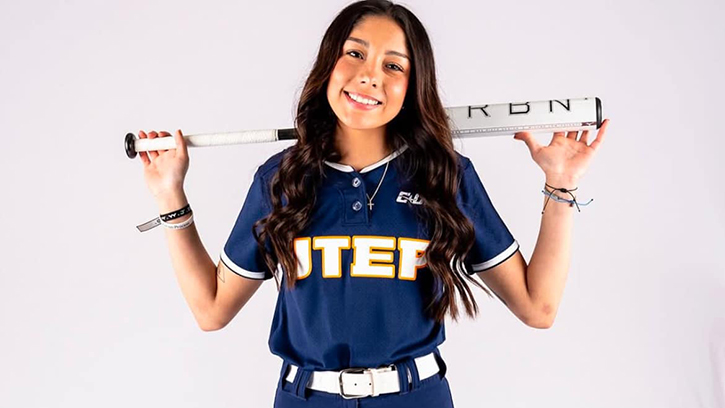
Seneca Curo (Barona Band of Mission Indians, Southern California) made her mark at one of the most historic programs in women’s college softball. Over six seasons with the UCLA Bruins softball team, she became known as one of the team’s most versatile and dependable players—starting games at multiple positions, delivering clutch hits and home runs, and earning both her bachelor’s and master’s degrees along the way. But beyond the stats, Seneca’s story is about family, faith, and finding her voice.

Growing Up Rooted in Family and Culture
Raised on the reservation, Seneca credits her upbringing for shaping who she is both on and off the field. “Family is very important to me,” she shared. “We all lived right down the road from each other.” That close-knit environment created a strong sense of responsibility—to play not just for herself, but for her people.
That family-first mindset also influenced her decision to attend UCLA. When she visited the campus at a young age, the program made her feel at home. “They made me feel like family,” she said. That sense of belonging carried her through moments of challenge during college.
Competition & Falling in Love with the Game
Seneca’s love for sports started early. Growing up with four brothers, competition was constant. Baseball, football, basketball—whenever a ball was nearby, the kids were playing. Her father, a standout athlete himself, was her first role model. They told stories of him hitting home runs and dominating on the football field and that left a lasting impression on Seneca.
Softball didn’t come easily at first. In fact, she resisted the switch from playing baseball. But over time, the competitive fire stayed the same. “I think my brothers and cousins made me the athlete and competitor that I am,” Seneca said. That edge carried her all the way to UCLA.

Finding Her Voice as a Leader
One of Seneca’s biggest challenges wasn’t physical—it was learning how to lead. Arriving at a powerhouse program like UCLA as a young player, she felt the pressure of expectations and responsibility. “I was almost scared to lead,” she admitted. “I didn’t want to let anyone down.”
Over time, that changed. With encouragement from teammates and coaches, Seneca found her voice and embraced leadership. “Leading isn’t easy,” she said. “Otherwise, everyone would do it.” Her growth as a leader became one of the most meaningful parts of her UCLA experience.
Defining Moments and Overcoming Injury
A defining moment came early in her career—her freshman season, during tournament play in Florida. With no expectations placed on her, Seneca delivered a clutch hit against Florida State. “That feeling was addicting,” she recalled. “That’s why we play.”
Later in her career, injuries tested her mentally and physically. Just as she felt she was playing some of the best softball of her life, her shoulder issues forced her to adapt. Still, she wouldn’t change her journey at all. “You fail your way through success,” she said.
Faith, Sisterhood, and Perspective
Seneca leaned heavily on her faith in God, especially during difficult moments. Trusting the process and reminding herself that she had been playing this game since she was four years old helped her stay grounded.
Softball also gave her something she never had growing up—sisters. “I didn’t grow up with sisters, but now I have 20-plus,” she said. Those relationships, built through shared sacrifice and trust, will last a lifetime.

Education, Mentorship, and What’s Next
Graduating with a master’s degree in Transformative Coaching and Leadership, Seneca gained tools far beyond the field—especially around mental health, communication, and leadership. Coming from a background where mental health wasn’t often discussed, this education opened new doors.
She’s already stepping into the next chapter, giving lessons to young girls and beginning her journey as a mentor. “I never thought coaching would be in the cards,” she said, “but here I am.”
Outside of softball, Seneca stays connected to her roots through hunting, fishing, and time with family—a grounding contrast to life in Los Angeles.
A Message to the Next Generation
Her advice to young Indigenous girls is both simple and powerful:
“Don’t let anyone tell you no. If you believe in yourself, go all in. Your tribe, your people, and your family will be behind you every step of the way.”
Seneca Curo’s journey is a reminder that success doesn’t require abandoning who you are. Instead, it’s about carrying your culture, your community, and values with you—no matter how big the stage.
At Daybreak Star Radio, we’re honored to share stories like Seneca’s—stories that reflect the heart of Indigenous excellence and the power of believing in yourself.